🇺🇸 Feb 2026 | Autonomous Rover System for High-Throughput Blueberry Phenotyping
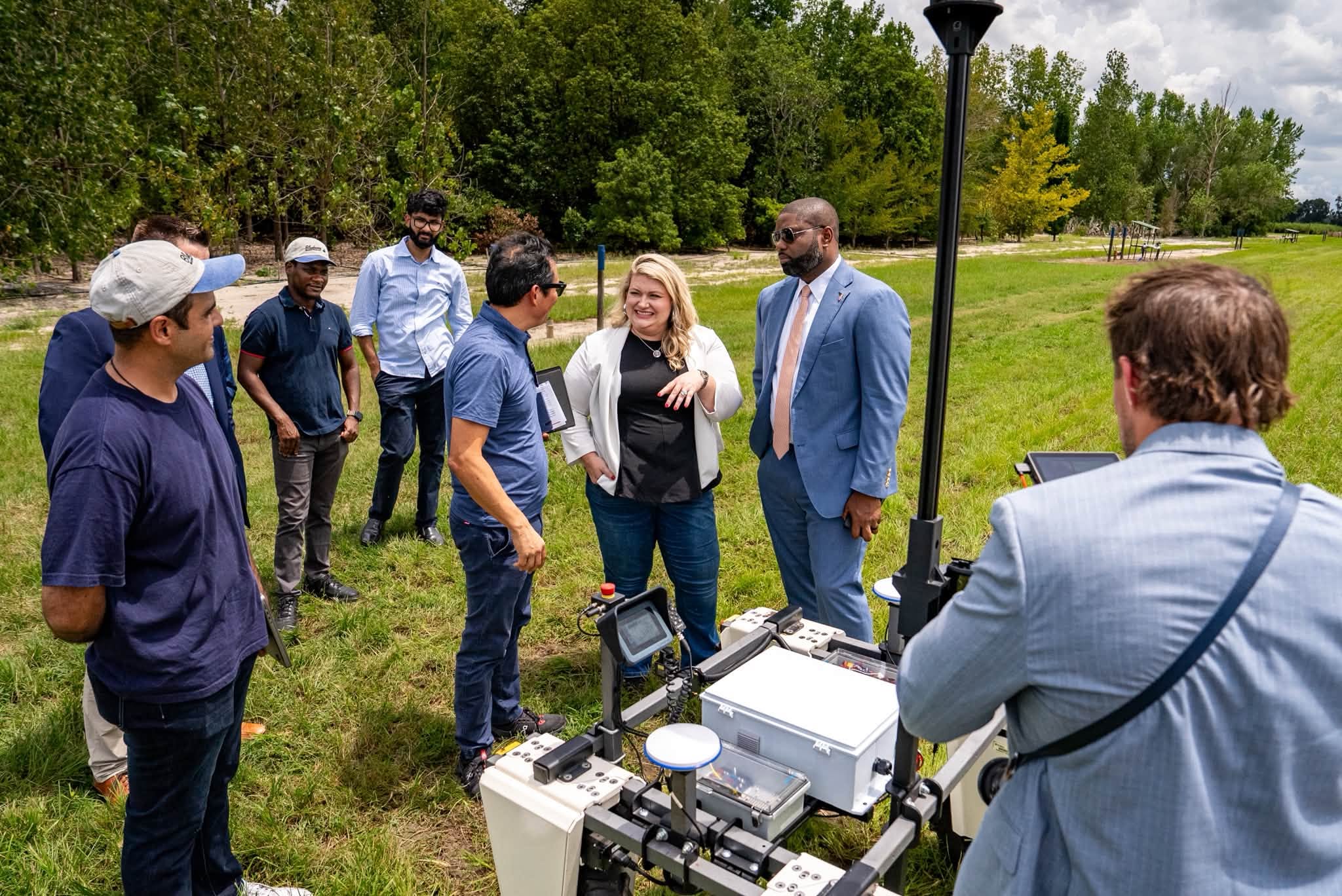
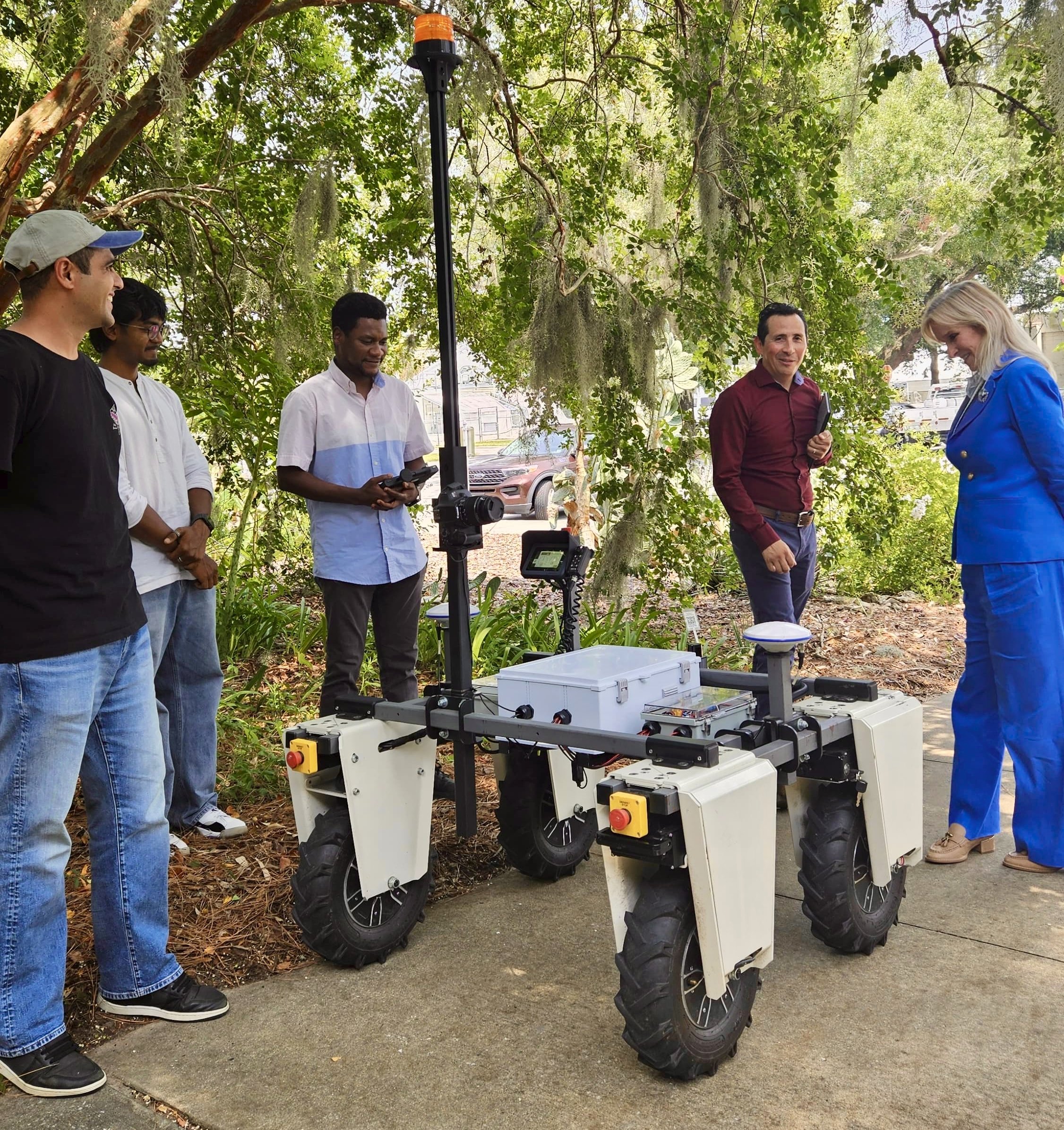
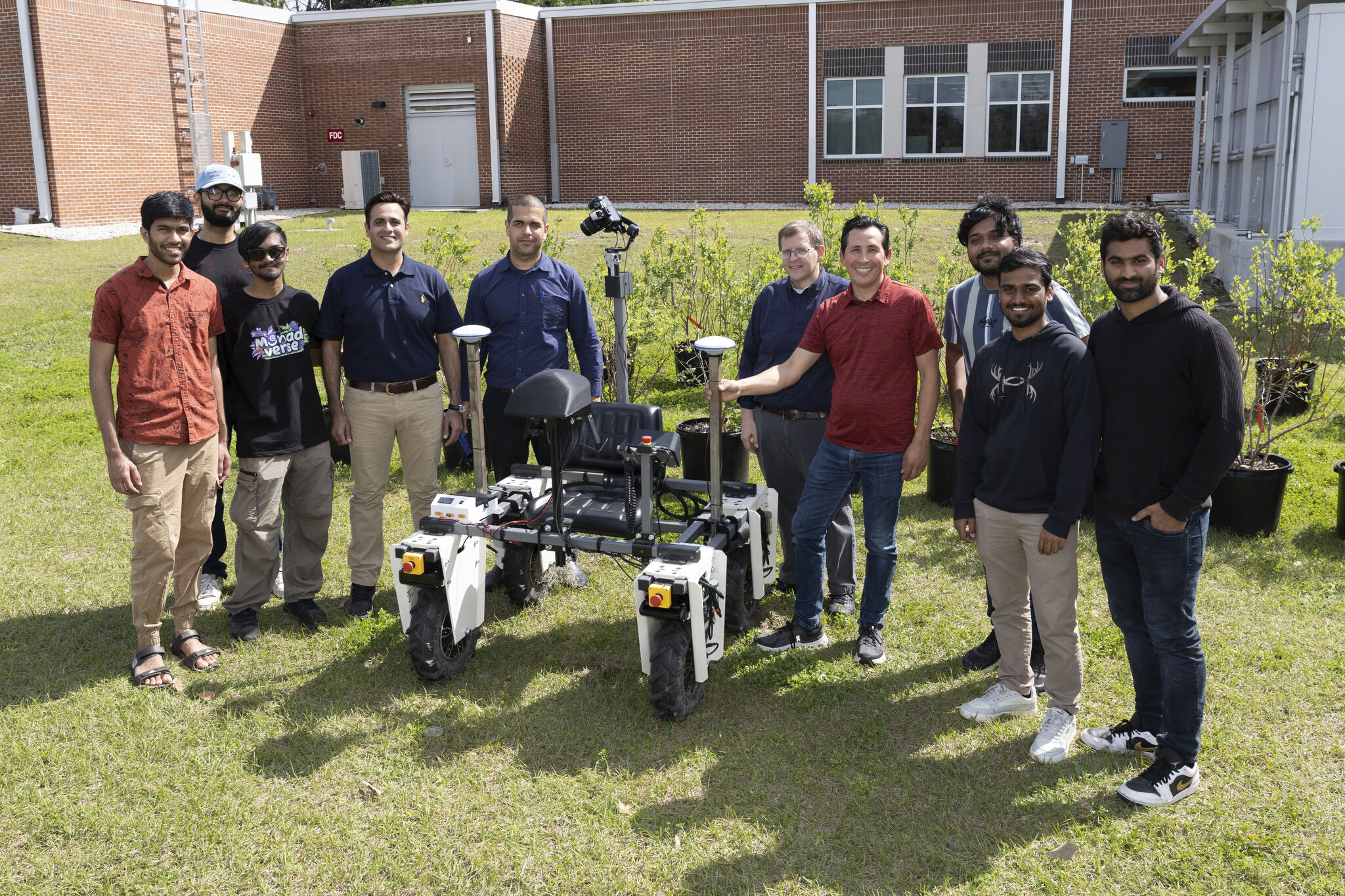
Our autonomous rover system is designed for real-world blueberry breeding and phenotyping, capturing high-resolution data quickly and reliably.
The rover can capture 18MP plant images in about two seconds per plant, making it fast enough to collect detailed visual data from thousands of plants during weekly runs. It is built to operate almost every day, running about five days a week for roughly eight hours per day to collect weekly measurements across hundreds of genotypes.
Our data collection began in March 2026, and the rover successfully captured the full 2026 season without any issues. That season-long performance is a big achievement for the program, proving the autonomous system can sustain repeated field operations and deliver consistent data across the entire breeding cycle.
A key strength of the system is its RTK GPS positioning, which gives centimeter-level accuracy in the field. That precision is essential for repeatable data collection, allowing the rover to locate the same plants precisely across multiple visits and resume its mission reliably when switching rows or navigating between blocks.
The rover works autonomously throughout the field. It can switch rows, continue through a block, and resume its mission without human intervention, which makes the system highly dependable in a breeding program where consistency and coverage matter. Just a single click can activate the rover to run autonomously, enabling rapid deployment with minimal operator effort.
Watch the cover video to see the rover in action and how it captures high-resolution plant imagery while operating autonomously:
This platform is helping bridge robotics and agriculture by turning reliable, autonomous field sensing into practical support for breeding decisions. Its speed, autonomy, and centimeter-level accuracy make it a valuable tool for commercial-scale yield and trait estimation in the blueberry breeding program.